Source Grade A Used Shoes for Daily Wear and Resale
Find 30 listings for grade a used shoes sourced from China. Compare mixed styles, sizes, and bale packaging options for adult and children's footwear. Evaluate condition ratings and shipping terms to identify suitable suppliers for bulk procurement; compare the available evidence and request quotations based on your requirements.
Key considerations
Products List






Comprehensive Sourcing Guide
Grade A Used Shoes Sourcing Guide
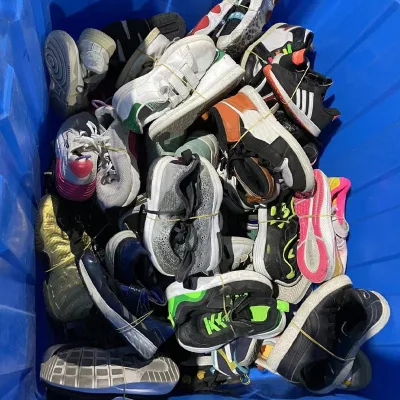
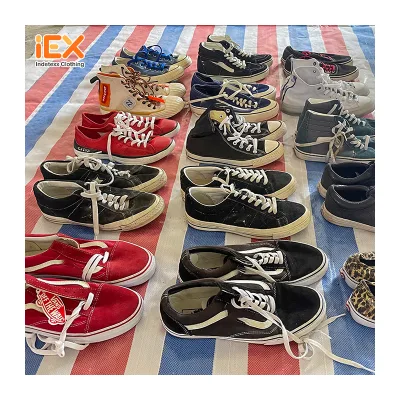
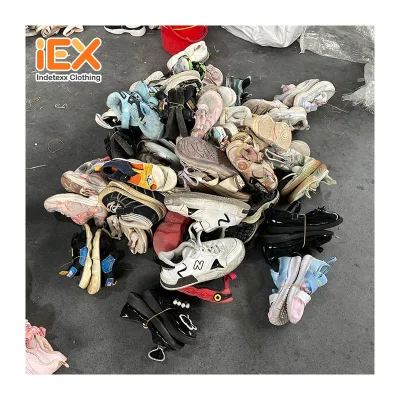
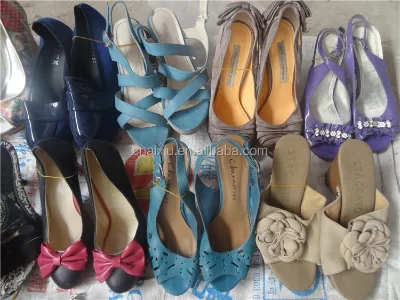
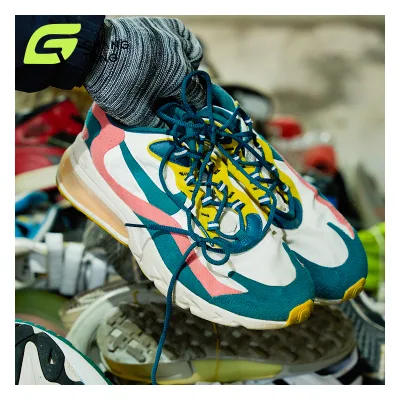
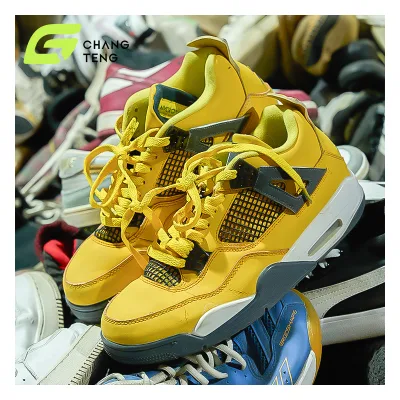
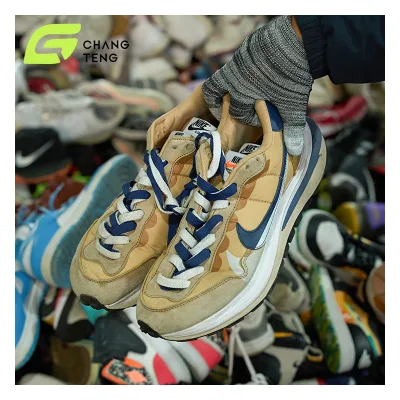
Procuring grade A used shoes requires a strategic approach to navigating the complexities of the global second-hand footwear market. Buyers must recognize that these products are typically sourced from first-tier cities in China and are categorized by a specific condition rating, often described as clean with slight wear or approximately 90% new. This classification ensures that the inventory is suitable for daily wearing by both adults and children, offering a viable alternative to new retail stock while maintaining a high degree of aesthetic and functional integrity.
The commercial reality of this sector involves purchasing in bulk, often starting with a minimum order quantity of one full 20-foot container or a specific weight threshold like 1000 kilograms. Suppliers typically package these items in bales weighing 25 kilograms, containing a mixed assortment of sizes, colors, and styles ranging from modern and casual to sport and fashion designs. Understanding this packaging and volume requirement is essential for buyers to calculate logistics costs and ensure they have the necessary storage and distribution infrastructure to handle such large-scale shipments effectively.
Product Scope and Observed Listing Signals
The product scope for grade A used shoes encompasses a diverse array of styles including modern, cartoon, casual, sport, and classic designs, all available in mixed colors and full size ranges. Listings frequently highlight that these items are unisex and suitable for all seasons, making them versatile for various retail environments across different climates. The core offering is defined as mixed used shoes or second-hand brand shoes, where the primary value proposition lies in the variety of pairs per sack, often cited as 40 pairs per 25-kilogram unit, providing a broad selection for end consumers.
When evaluating listing signals, buyers should look for specific indicators of quality such as the "Grade A" designation and descriptions noting clean soles with only slight wear. It is critical to verify that the product name aligns with the actual inventory, as terms like "Second Hand Mixed Shoes" or "Used Mixed Shoes Bales" are common identifiers. The presence of customization options for logos and packaging suggests that suppliers may offer branding services, but the core product remains a mixed assortment rather than a curated, single-style collection, which impacts how retailers can market the goods to their specific customer base.
Technical Specifications to Verify
Technical verification begins with confirming the physical dimensions and weight standards of the packaging, which are typically standardized at 25 kilograms per sack or bale. Buyers must ensure that the container specifications match the supplier's claims, noting that the standard packing dimensions are often around 73 centimeters by 60 centimeters by 32 centimeters. This consistency is vital for optimizing container space and calculating freight costs, as deviations in bale size can lead to inefficient loading and increased shipping expenses per unit of footwear.
Beyond packaging, the technical attributes of the shoes themselves require scrutiny regarding size distribution and age demographics. The inventory is generally described as having a full range of sizes suitable for both adults and children, though the exact ratio of sizes within a mixed bale can vary. Buyers should request detailed size breakdowns before finalizing orders to ensure the mix aligns with their target market's needs, as a random assortment might result in an imbalance of popular sizes that could hinder sales velocity in specific retail channels.
Compliance and Safety Documentation
While the supplied facts do not list specific international safety certifications, buyers must proactively request documentation proving that the footwear meets the safety standards of their target export markets. Since these products are sourced from China and shipped worldwide, including to Africa, South America, and the Middle East, compliance with local regulations regarding materials and construction is non-negotiable. Buyers should verify that the supplier can provide evidence of hygiene processing, ensuring the shoes are clean and safe for direct wear, which is a fundamental requirement for importing used goods into many jurisdictions.
Documentation should also cover the origin and processing history of the goods to satisfy customs authorities in the destination country. The source is identified as China's first-tier cities, and buyers need to confirm that the export process includes proper sanitization records to prevent the entry of prohibited contaminants. Without clear proof of compliance with health and safety regulations, shipments risk being detained or rejected at the border, leading to significant financial losses and logistical delays that can disrupt the entire supply chain.
Cost Drivers and Commercial Terms
The primary cost drivers in this sector are the volume of the order and the logistics associated with shipping full containers, as the minimum order quantity is typically one 20-foot or 40-foot container. Payment terms are structured to protect both parties, often requiring a 40% deposit via telegraphic transfer followed by the remaining 60% before loading. This financial structure necessitates careful cash flow planning for buyers, as the upfront capital required is substantial, and the total cost is heavily influenced by current freight rates and the specific shipping lines used, such as PIL, MSK, or CMA.
Lead times and shipping durations also play a critical role in the total cost of ownership, with production and preparation times ranging from 7 to 15 days. Buyers must account for the shipping time, which can be approximately 21 days depending on the route and carrier, to ensure timely inventory replenishment. The inclusion of a rent-free period for shipping containers can mitigate some costs, but fluctuations in global freight rates and port congestion can significantly impact the final landed cost, making it essential to factor in these variables when setting retail prices.
Supplier Qualification and Quality Control
Supplier qualification should focus on verifying their ability to consistently deliver Grade A quality mixed shoes that meet the "clean soles, slight wear" criteria. Buyers must assess the supplier's track record in handling large volumes and their capacity to maintain the integrity of the mixed assortment throughout the packaging and shipping process. Since the product is described as having a 90% condition rating, it is crucial to establish clear quality control protocols that define acceptable wear levels and ensure that the final product matches the initial sample or description provided.
Quality control measures should also include random sampling and inspection procedures before the final payment is released. Given that the inventory consists of mixed sizes and styles, a rigorous inspection process is necessary to prevent the inclusion of damaged or substandard items that could compromise the Grade A status. Buyers should insist on pre-shipment inspections to verify that the number of pairs per sack and the overall condition of the footwear align with the agreed-upon standards, thereby minimizing the risk of receiving goods that do not meet market expectations.
Long-Term Procurement Checks
Establishing a long-term procurement relationship requires regular audits of the supplier's inventory consistency and their ability to adapt to changing market demands. Buyers should monitor the stability of the supply chain to ensure that the mix of styles, sizes, and brands remains consistent over time, as fluctuations can disrupt retail planning and customer satisfaction. Continuous communication regarding the availability of specific high-demand items or the introduction of new styles is essential for maintaining a competitive edge in the second-hand footwear market.
Finally, buyers must regularly review the commercial terms and logistics performance to identify opportunities for cost optimization and efficiency improvements. This includes analyzing shipping times, payment terms, and the reliability of the supplier's fulfillment process to ensure that the partnership remains mutually beneficial. By maintaining a proactive approach to supplier management and continuously evaluating the quality and cost-effectiveness of the procurement, buyers can build a resilient supply chain that supports sustainable growth in the grade A used shoes sector.
FAQs
What condition are grade a used shoes in when supplied?
Grade a used shoes are cleaned second hand shoes with clean soles and only slight wear, generally around 90 percent condition. Bales are sorted so usable pairs are selected from collections sourced in China first tier cities. Buyers should expect a small variation between pairs, so reviewing sample photos or a sample bale before confirming a full container order is recommended.
What is the minimum order quantity for grade a used shoes?
The minimum order is typically one full 20ft or 40ft container, although some listings accept 1000 kilograms as a smaller trial quantity. Full container orders are standard because bales are packed at 25 kilograms each and shipped in volume. If you want to test quality first, ask whether a 1000 kilogram trial order can be arranged before committing to a container.
How are grade a used shoes packed for shipping?
Shoes are packed in bales weighing 25 kilograms per sack, with some listings specifying around 40 pairs per sack. Bale dimensions are approximately 73 by 60 by 32 centimeters. Bales are secured for container loading, and logo or package customization can often be arranged. Confirm the packing format, pairs per sack, and any labeling requirements with the supplier before shipment.
How long does production and delivery take after ordering?
Product preparation usually takes 7 to 15 days after order confirmation, depending on the quantity and sorting requirements. Shipping is available worldwide, and carriers such as Pil, Msk, and Cma offer around 21 days of rent free container period. Plan your schedule to include sorting time, loading, and ocean transit when calculating your expected arrival date.
Which payment terms apply to used shoes container orders?
Payment is commonly arranged as a 40 percent deposit by T T with the remaining 60 percent paid before container loading. This structure protects both sides during sorting and packing. Always confirm the exact payment split, currency, and accepted transfer method in a written order agreement before sending the deposit, and keep records of every payment confirmation.
Can grade a used shoes be customized for different markets?
Customization is available, including sorting by category such as adults or children sizes, mixed styles, and customized logo or packaging. Export markets include Africa, South America, the Middle East, and South Asia. Discuss your target market requirements with the supplier so bale composition, size range, and packing can be adjusted before production begins.
What sizes and styles are included in mixed used shoe bales?
Bales contain mixed sizes across a full range, covering adults and children, in mixed colors and styles such as sport, casual, fashion, and classic. Because contents are sorted from second hand collections, the exact mix varies between bales. Ask the supplier for the composition ratio of each grade or category so you can match stock to your local customer demand.